Engineered for California’s New Title 24 Zones
California’s energy standards are evolving, and so are we. With the introduction of the new Title 24 climate zones, window and door performance requirements are now more precisely tailored to how and where buildings are constructed across the state. These updated zones help ensure better energy efficiency, improved comfort, and compliance that aligns with real-world climate conditions. Use this guide to understand the new Title 24 zones, what they mean for your project, and how to confidently select products that meet or exceed current requirements.
Check Out The NEW Title 24 Zones Below
Enter your zip code here to find what zone you are in
[posts_table id=”14″ widths=”20%,20%,20%,20%,20%” rows_per_page=”10″ links=”contact_information”]
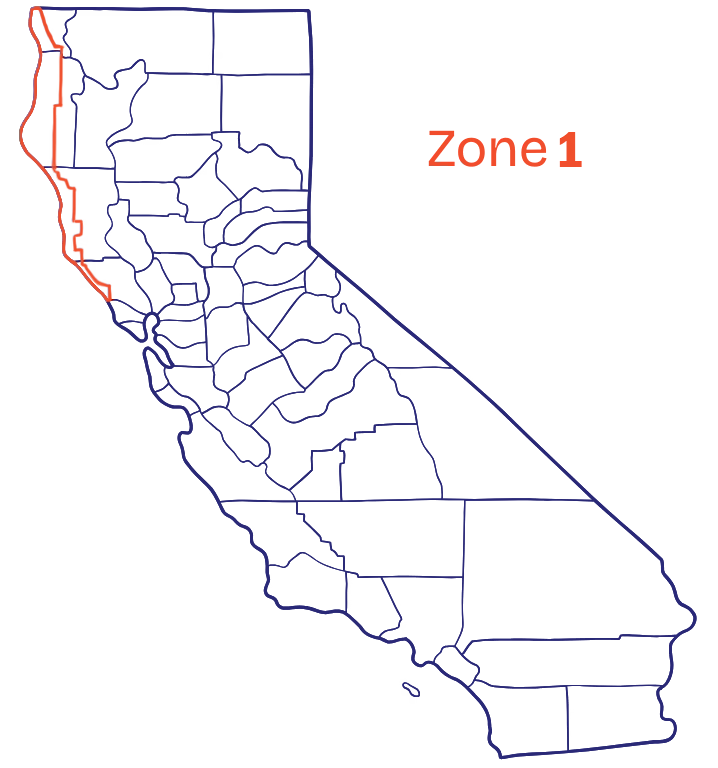
Zone 1: Far North Coast (Arcata)
Cool temperatures, high humidity, and frequent marine influence define this zone. Energy performance here focuses on insulation and minimizing heat loss while allowing natural light without excessive solar gain.
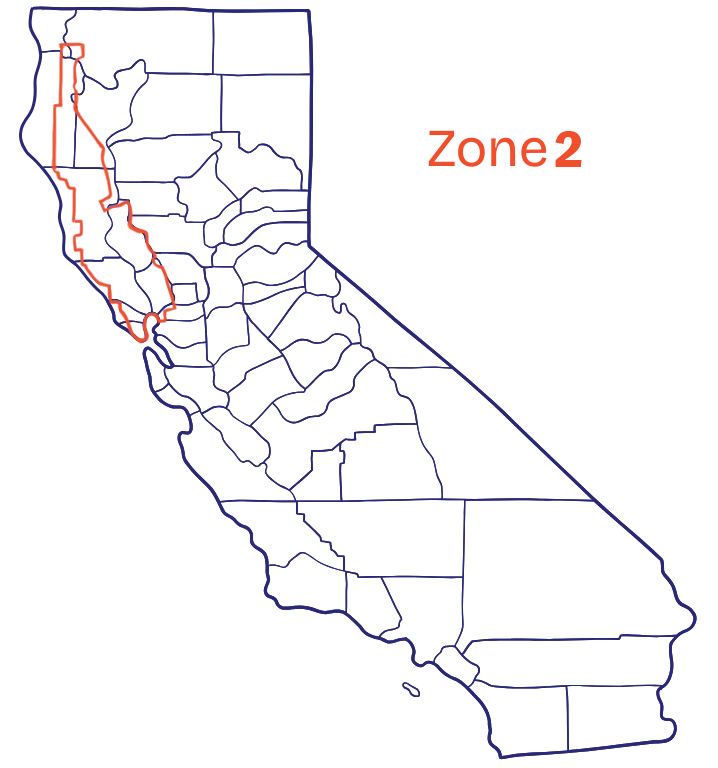
Zone 2: North Coast / Interior (Santa Rosa)
This zone experiences cool, wet winters and mild summers with occasional heat spikes. Windows and doors must balance thermal efficiency with moderate solar control to handle shifting conditions.
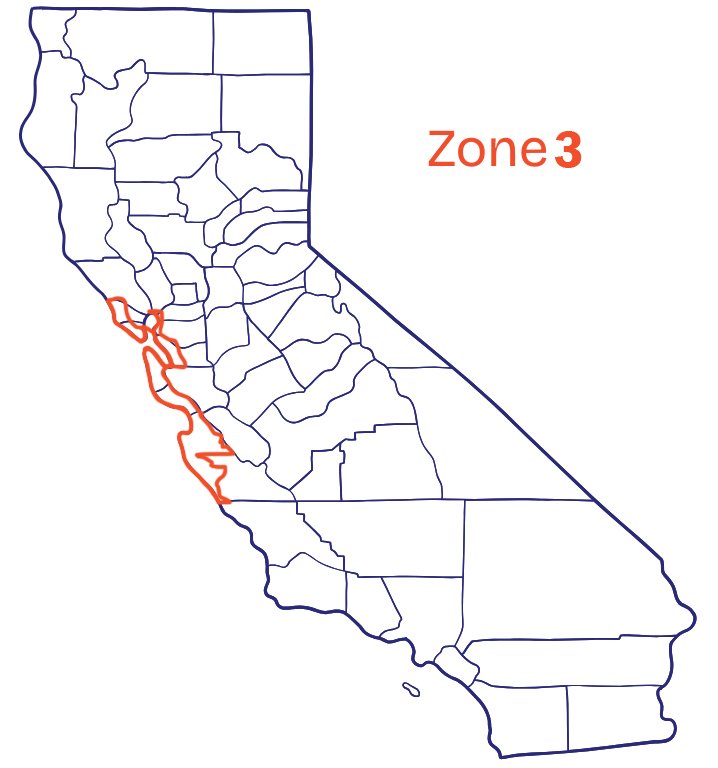
Zone 3: SF Bay Area / Coastal (San Francisco)
Mild temperatures year-round with marine fog and limited temperature extremes characterize this zone. Performance requirements emphasize insulation and air tightness rather than aggressive solar heat reduction.
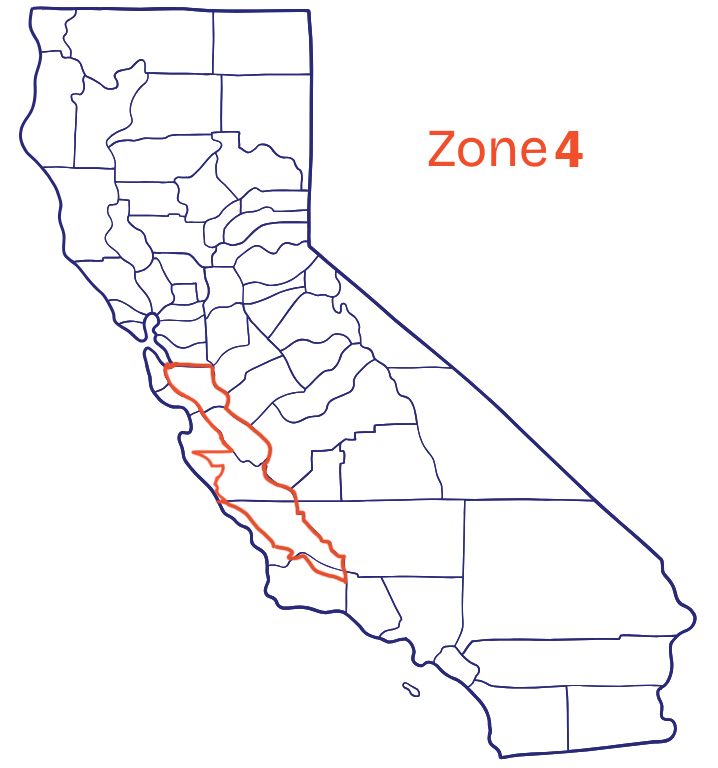
Zone 4: Central Coast / Inland (Sunnyvale)
Warmer summers and cooler winters create a need for both insulation and solar control. Products in this zone should manage heat gain while maintaining energy efficiency across seasons.
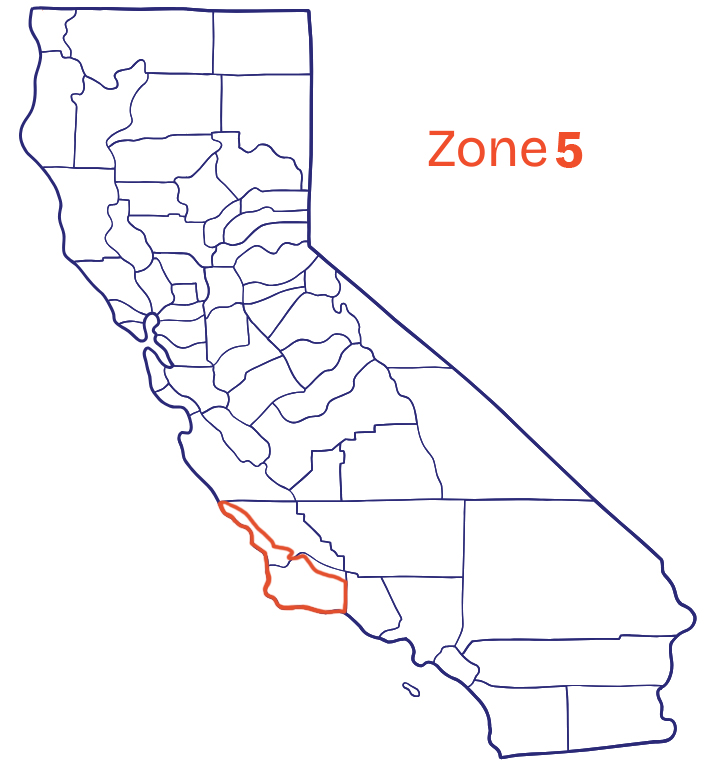
Zone 5: Central Coast (Santa Maria)
Warmer summers and cooler winters create a need for both insulation and solar control. Products in this zone should manage heat gain while maintaining energy efficiency across seasons.
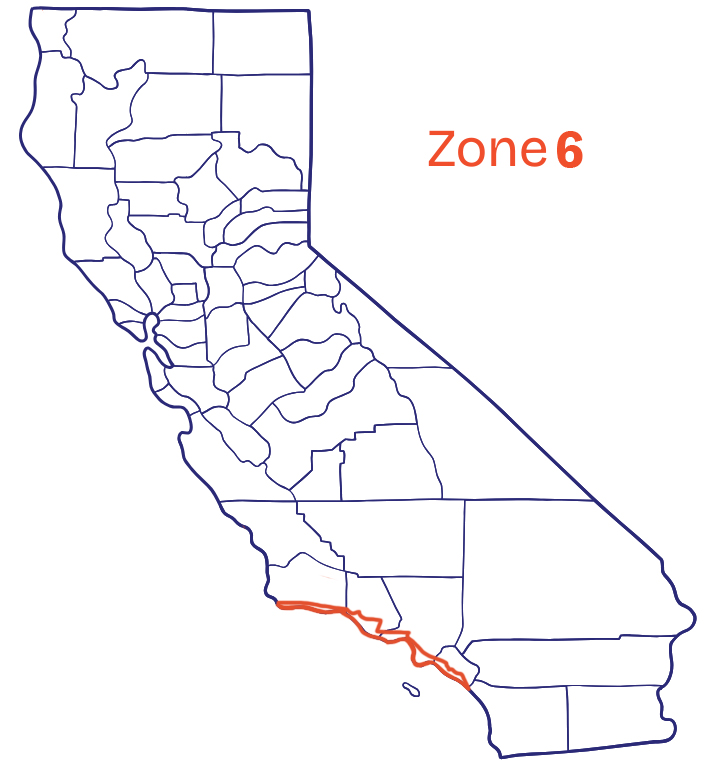
Zone 6: Los Angeles Coastal (Torrance)
This zone enjoys mild winters and warm summers tempered by ocean breezes. Solar heat gain control becomes more important, while insulation requirements remain moderate.
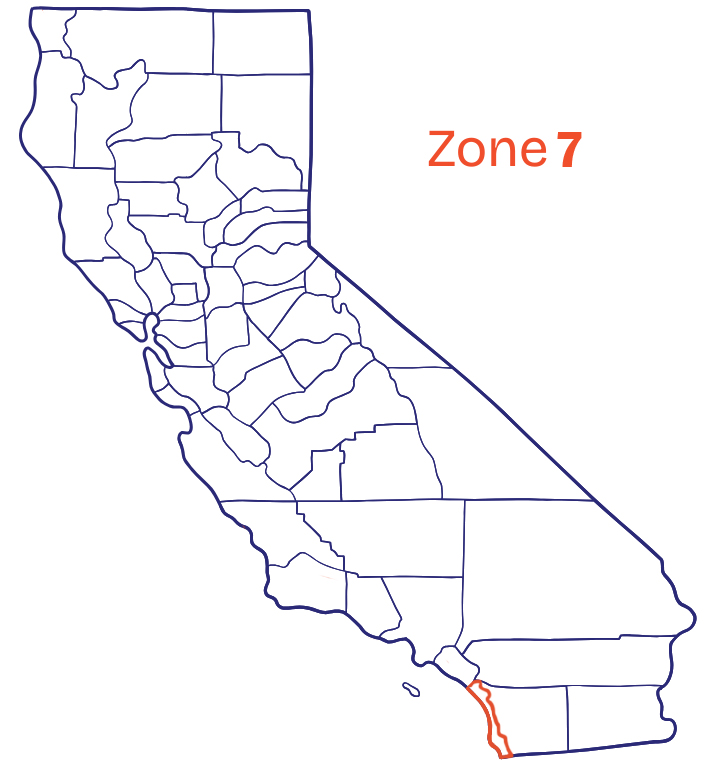
Zone 7: San Diego Coastal (San Diego)
One of California’s most temperate climates, Zone 7 has minimal heating and cooling demands. Performance standards prioritize efficient glazing that limits solar gain while maximizing comfort.
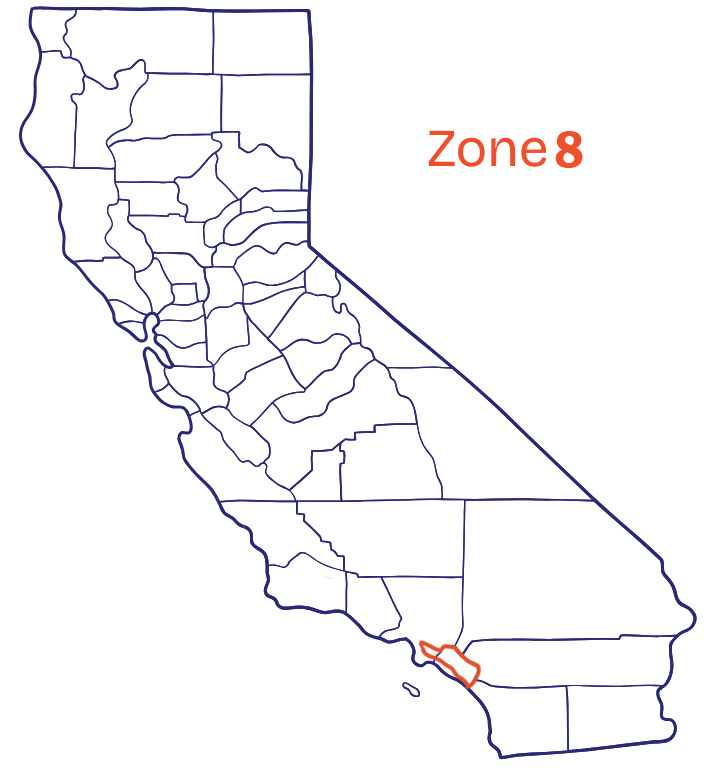
Zone 8: Orange County / Inland (Fullerton)
Hotter summers and cooler evenings define this transitional zone. Windows and doors must manage increased solar heat gain while still supporting energy efficiency year-round.
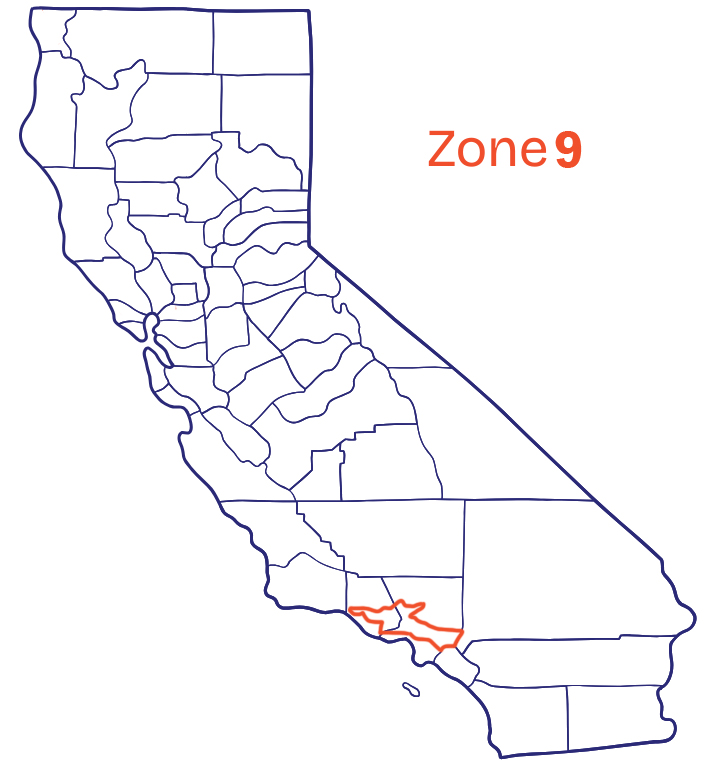
Zone 9: Inland LA / San Bernardino (Burbank)
This zone experiences hot summers and cooler winters with greater temperature swings. Energy requirements emphasize strong solar control and improved insulation performance.
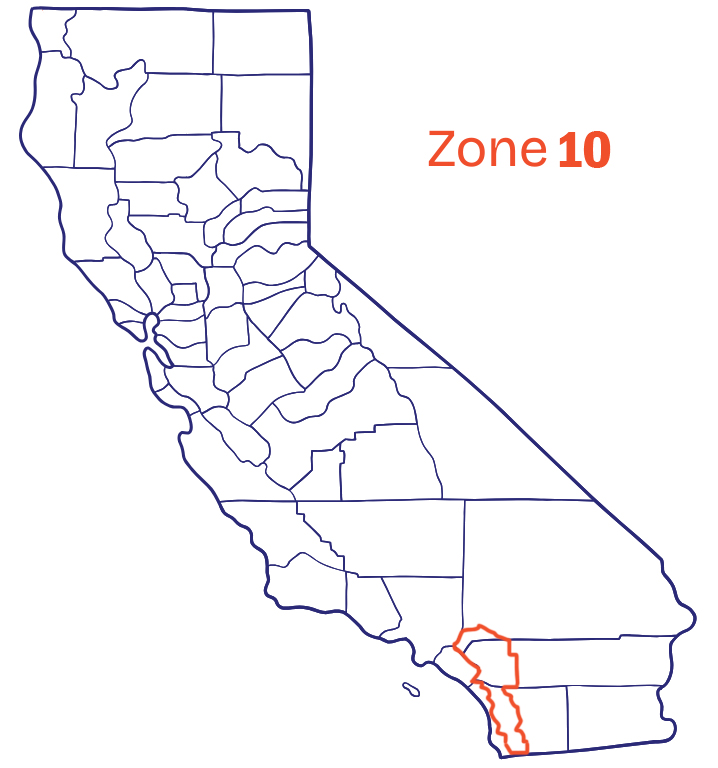
Zone 10: Riverside / Inland Empire
Extended heat periods and high cooling demand dominate this zone. Products must significantly reduce solar heat gain while maintaining airtight performance.
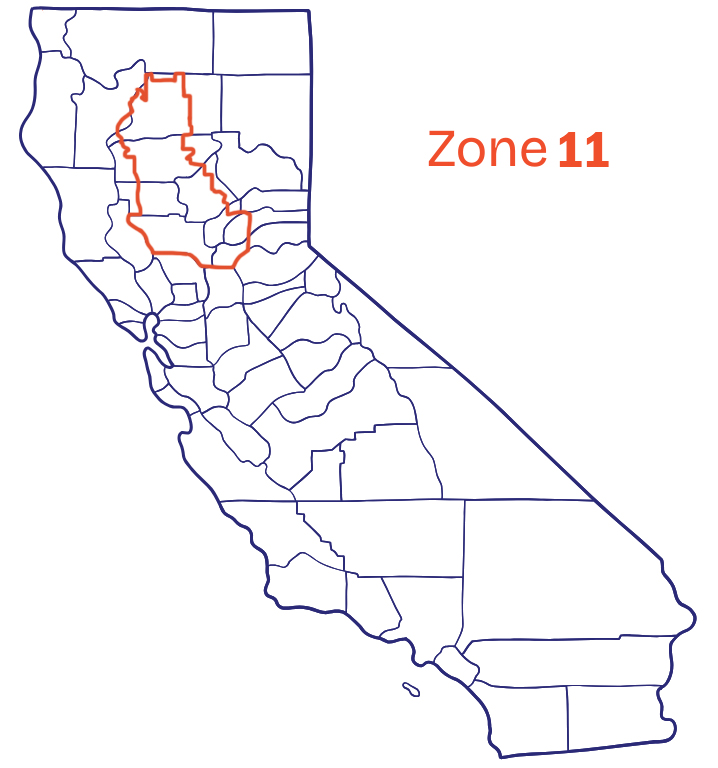
Zone 11: Sacramento Valley (Red Bluff)
Hot summers and cool winters make this zone energy-intensive. Compliance focuses on both limiting heat gain in summer and retaining warmth during colder months.
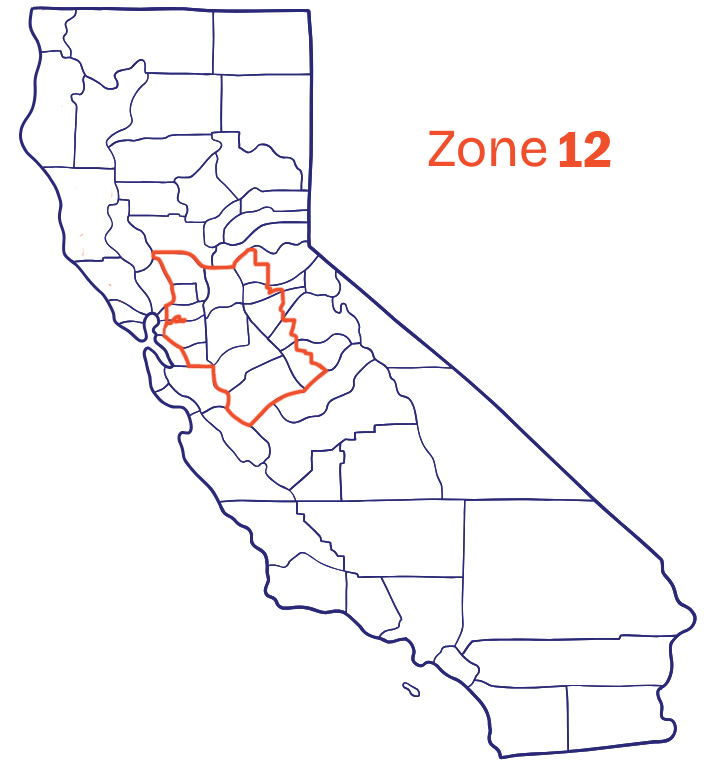
Zone 12: Central Valley (Sacramento)
With long, hot summers and moderate winters, Zone 12 requires enhanced solar control and efficient glazing to reduce cooling loads and improve overall comfort.
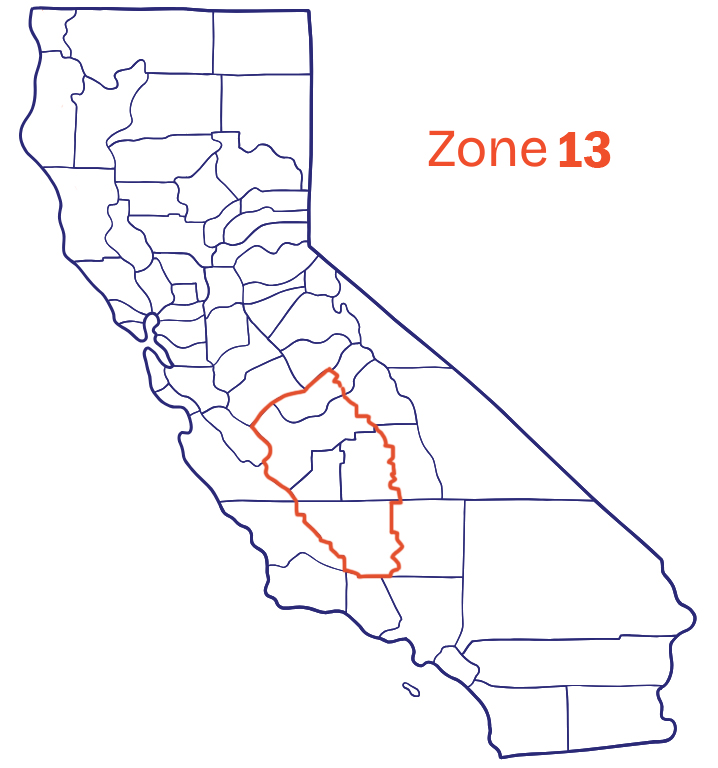
Zone 13: Central Valley (Fresno)
Extreme summer heat defines this zone. High-performance windows and doors are critical to minimizing solar heat gain and supporting energy efficiency in demanding conditions.
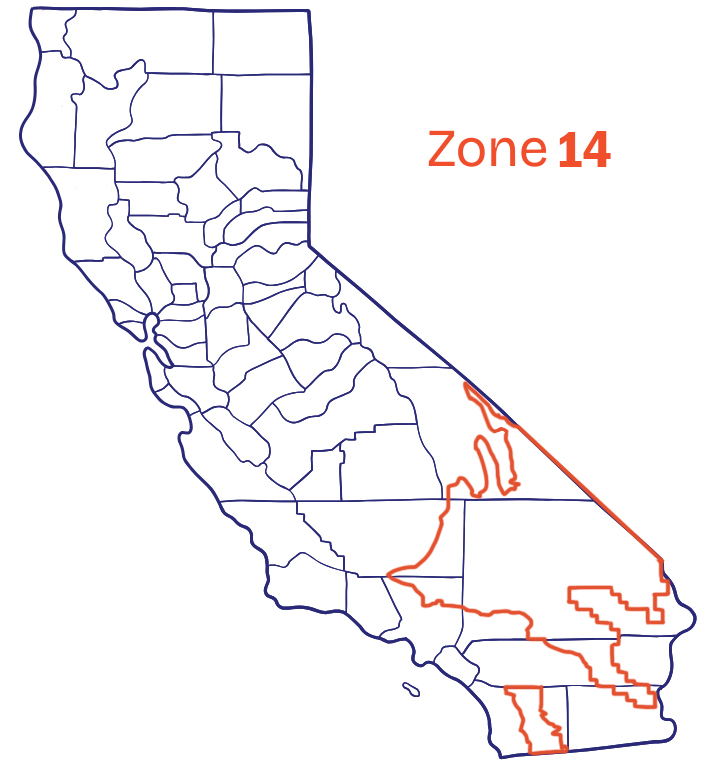
Zone 14: Mojave Desert / Interior (Palmdale)
Very hot summers, cool nights, and low humidity characterize this desert zone. Energy performance centers on aggressive solar control and insulation to handle wide temperature swings.
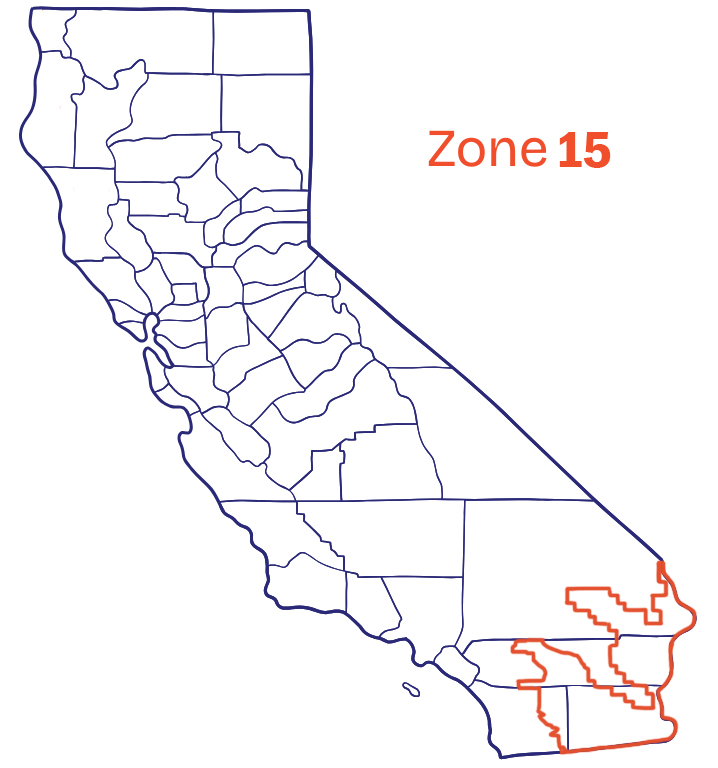
Zone 15: Desert / Palm Springs (El Centro)
This zone experiences some of the highest temperatures in the state. Maximum solar heat reduction and advanced glazing performance are essential for Title 24 compliance.
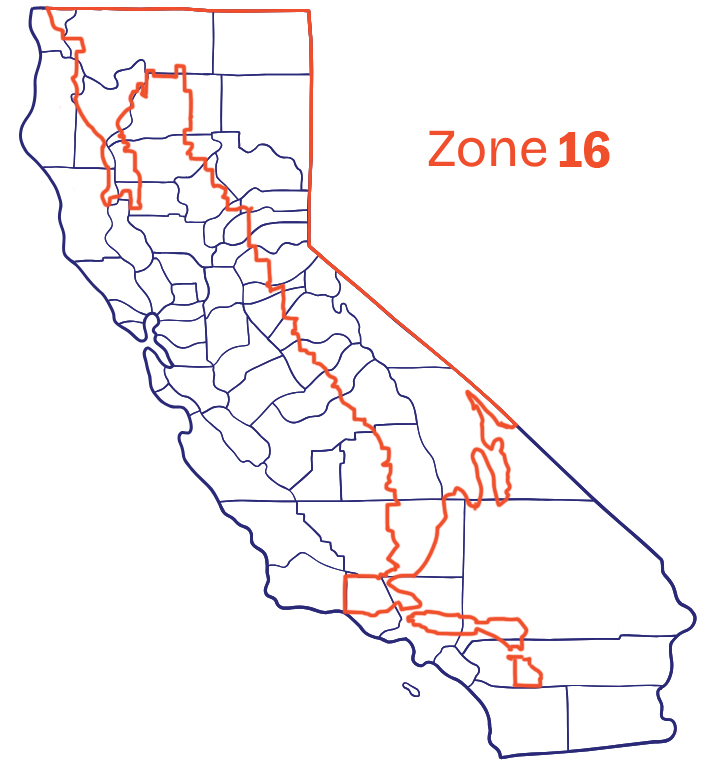
Zone 16: Mountains (Mount Shasta)
Extreme summer heat defines this zone. High-performance windows and doors are critical to minimizing solar heat gain and supporting energy efficiency in demanding conditions.